
 Image 1 of 3
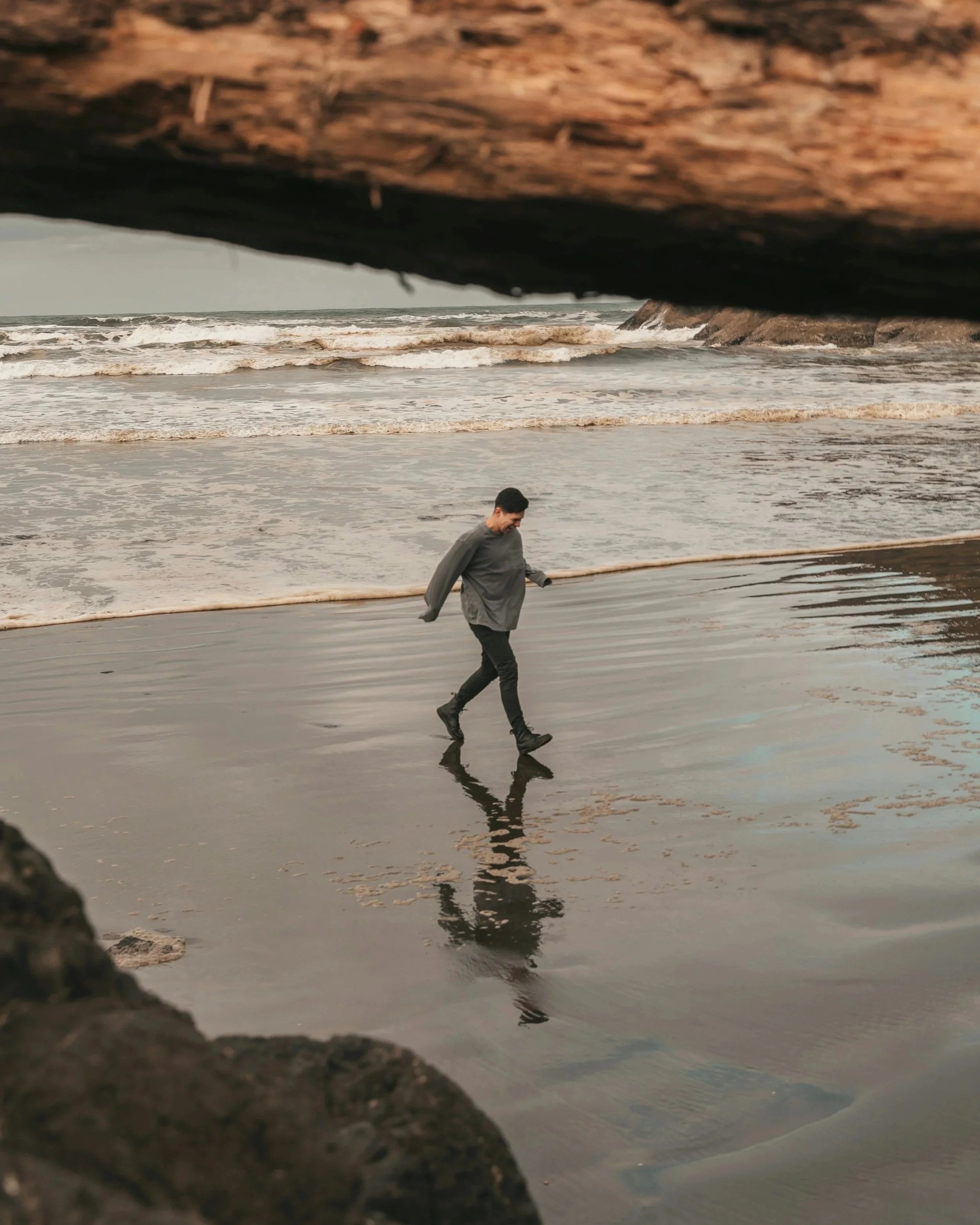 Image 2 of 3
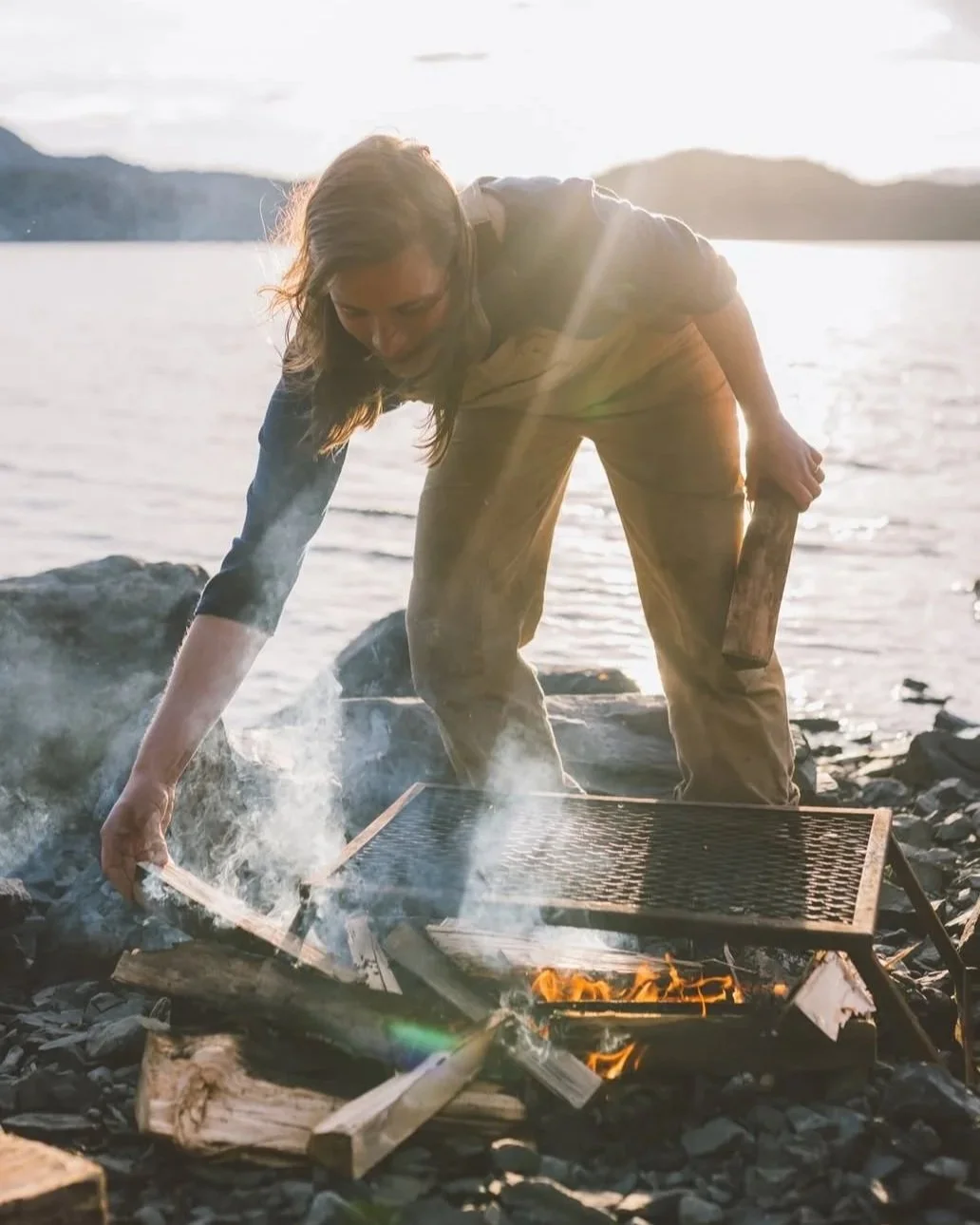 Image 3 of 3
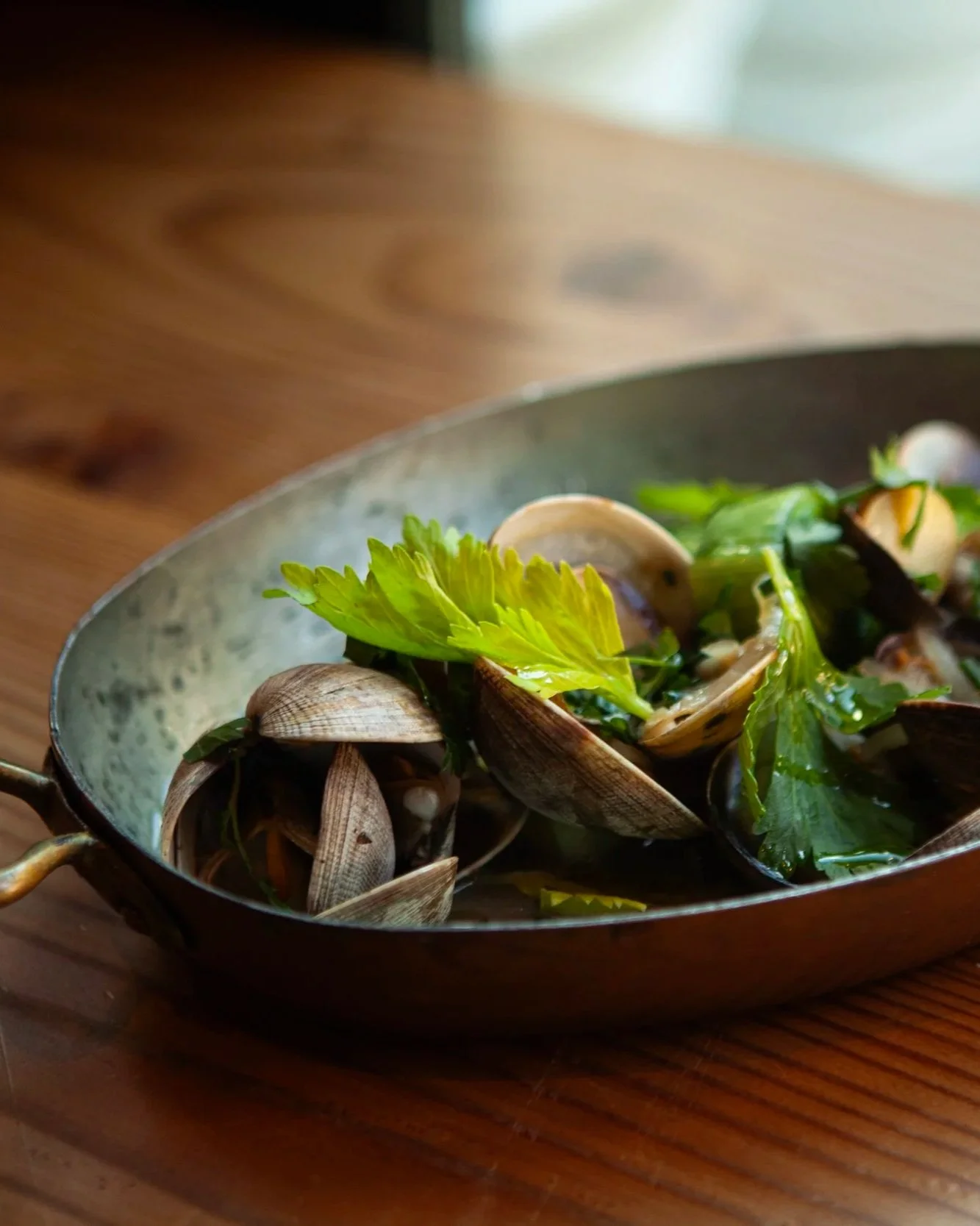
This workshop begins on the Hood Canal tidal flats, where guests learn how to identify clam beds, dig responsibly, and understand local regulations and safety considerations. Instructors provide clear guidance on which species to look for, how to handle them properly, and how traditional coastal communities have relied on shellfish for generations.
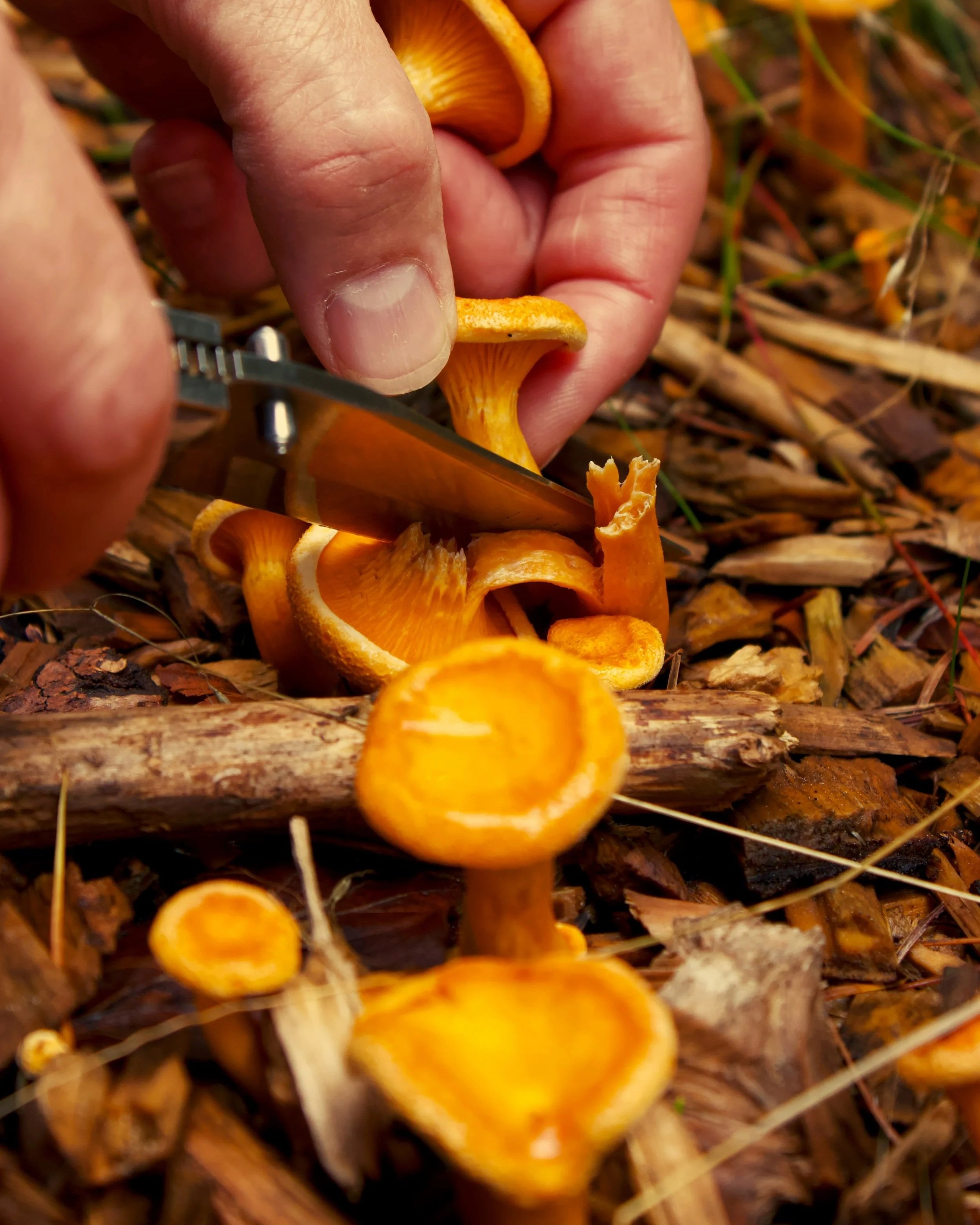
From the shoreline, the group heads toward the eastern slope of the Olympic Mountains for a structured mushroom foraging session. Expert guides walk participants through mushroom ecology, safe identification, seasonal patterns, and best practices for harvesting. You’ll explore a range of habitats and learn how to distinguish sought-after culinary species from lookalikes.
During the forest hike, instructors highlight additional wild edible plants found along the trail—leaves, shoots, berries, and roots—discussing how they can be integrated into simple cooking and household use. The experience is paced to allow for observation, learning, and thoughtful interaction with the landscape.
Back at a meeting point, the day closes with a demonstration of madrone tea, a traditional Pacific Northwest preparation made from madrone bark and leaves. We will then prepare a meal with our foraging bounty and gather around the table to an Autumn supper. This itinerary emphasizes clarity, environmental respect, and gaining a grounded understanding of seasonal wild foods.